

UK energy market perspectives: why small sustainability steps matter for SMEs
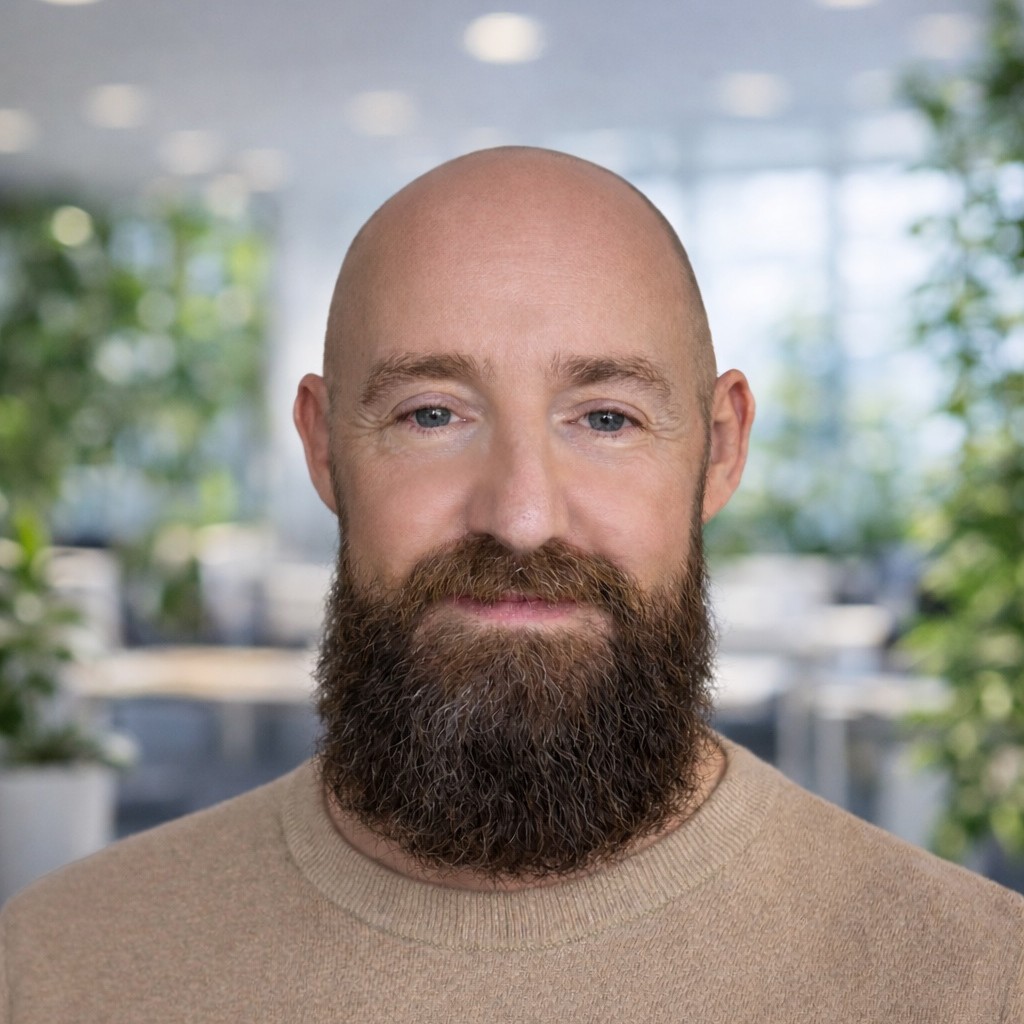
Written by John-Paul Jenner, Senior Marketing Manager at SmartestEnergy Business. With more than 15 years' experience supporting UK businesses across energy procurement, customer engagement and sustainability.

For many SMEs, discussions about sustainability can feel disconnected from the day-to-day realities of running a business. Between managing costs, serving customers and navigating economic uncertainty, long-term environmental goals can easily fall down the priority list.
In the latest edition of our Smartest Insights series, John-Paul Jenner, Senior Marketing Manager at SmartestEnergy Business, shares observations gained from more than 15 years supporting SME energy customers.
As John-Paul explains:
When thinking about how sustainability is talked about in business, it's often framed as a big, bold goal. Net zero, carbon neutral, scopes 1, 2 and 3, the whole suite. Whilst that's significant, it can also feel out of reach for many smaller business owners.
Yet as the UK energy market continues to evolve, sustainability is becoming a practical business consideration rather than a distant ambition.
The important role SMEs play in the UK's energy transition
SMEs are the backbone of the UK economy. According to UK Government data, there were 5.5 million SMEs at the start of 2024, representing 99.8% of all UK businesses and employing around 16.6 million.
Collectively, SMEs also have a significant role to play in reducing emissions. Research from the British Business Bank estimates that small businesses account for between 43% and 53% of greenhouse gas emissions generated by UK.
This means that even modest changes, when multiplied across thousands of businesses, can have a meaningful impact.
Why sustainability can feel overwhelming for smaller businesses
While many business owners recognise the importance of sustainability, the path forward is not always clear.
This is something John-Paul regularly hears from SME customers:
It's clear that many small businesses want to make real change, but the biggest barriers are often practical, not ideological.
Common challenges include:
- Limited capacity or budget to manage new initiatives
- Confusing or conflicting guidance
- Tight margins and short payback expectations
- A belief that sustainability must be perfect to be meaningful
For many SMEs, sustainability is not being ignored. It is simply competing with the priorities that keep the business running day to day.
The Most Effective Sustainability Journeys Often Start Small
One of the biggest misconceptions is that businesses need a fully developed sustainability strategy before taking action.
According to John-Paul:
In my experience, sustainability becomes overlooked not because it's complicated, but because it's competing with everything else that keeps a business running.
The encouraging news is that progress does not need to start with a major investment programme. The British Business Bank found that 94% of small businesses have already taken at least one action to reduce emissions, with many starting with small simple measures rather than complex projects.
He adds:
I've seen the most meaningful changes gain traction through incremental, measurable steps.
For SMEs, those steps could include:
Improving energy visibility
Understanding when and where energy is being used can help identify inefficiencies and opportunities for savings.
Reviewing equipment and processes
Replacing ageing equipment as part of normal upgrade cycles can improve energy efficiency without requiring significant disruption.
Engaging your people
Employees often identify practical improvements that can reduce waste and support operational efficiency.
Working with trusted partners
The right energy and sustainability partners can help simplify complex topics and provide guidance aligned to your business goals.
Learning from real SME sustainability journeys
Some of the most valuable lessons come from businesses already making progress.
As part of ongoing conversations with customers, SmartestEnergy Business works closely with organisations to understand how sustainability initiatives develop in real-world business environments.
John-Paul explains:
We've been working closely with some of our customers to better understand what these changes look like on a day-to-day basis. Some of the most encouraging success stories are still in motion, but they're happening.
What stands out is that successful businesses rarely begin with ambitious public commitments. Instead, they focus on actions that are achievable, measurable and relevant to their specific circumstances.
Whether that means improving energy efficiency, reducing waste or exploring renewable energy options, the common thread is practicality.
Moving beyond perfection towards progress
One of the biggest barriers to action is the perception that sustainability requires an all-or-nothing commitment.
In reality, progress is often built through a series of smaller improvements that accumulate over time.
For SMEs, the most effective starting point is often asking a few simple questions:
- Where are we today?
- What changes can we realistically make?
- Which actions will deliver the greatest value to our business?
These questions help create momentum while keeping sustainability aligned to commercial priorities.
UK energy market perspectives: practical progress matters
The transition to a lower-carbon future will look different for every business. Some organisations may be ready to pursue ambitious sustainability targets, while others are focused on finding practical ways to improve efficiency and control costs.
As John-Paul puts it:
The objective is simple. To encourage like-minded business owners to stop and think about the small steps that can be achieved today.
He continues:
They start with simple changes that fit their business reality. Not a big announcement. Not a perfect plan. Just practical steps that work from the get-go.
At SmartestEnergy Business, we believe the most effective sustainability strategies are rooted in business reality. By focusing on practical, achievable actions, SMEs can build momentum today while contributing to a more sustainable future tomorrow.
About the author
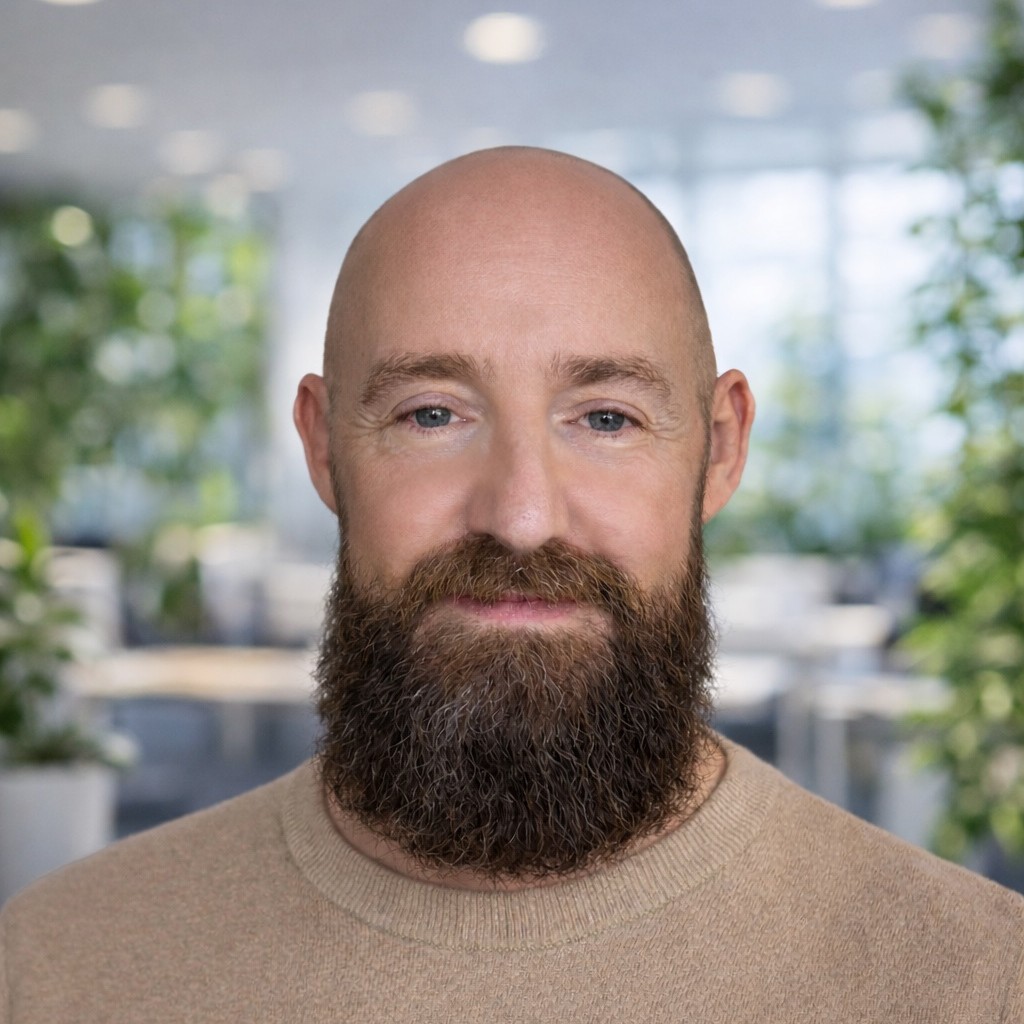
John-Paul Jenner is Senior Marketing Manager at SmartestEnergy Business and has spent more than 15 years working within the UK energy sector, helping businesses navigate market change, energy procurement and sustainability challenges.
Having held marketing leadership roles across both established and fast-growing energy suppliers, John-Paul combines deep industry knowledge with a strong understanding of SME customer needs. His experience spans energy market trends, customer engagement, business energy procurement and the transition to a more sustainable energy future.
Through ongoing collaboration with SME customers, industry partners and internal energy experts, John-Paul shares practical insights that help businesses make informed decisions, cut through complexity and identify realistic opportunities to improve efficiency and support their sustainability goals.
Discover more

Driving better billing with quality data

Making sense of energy market volatility
